

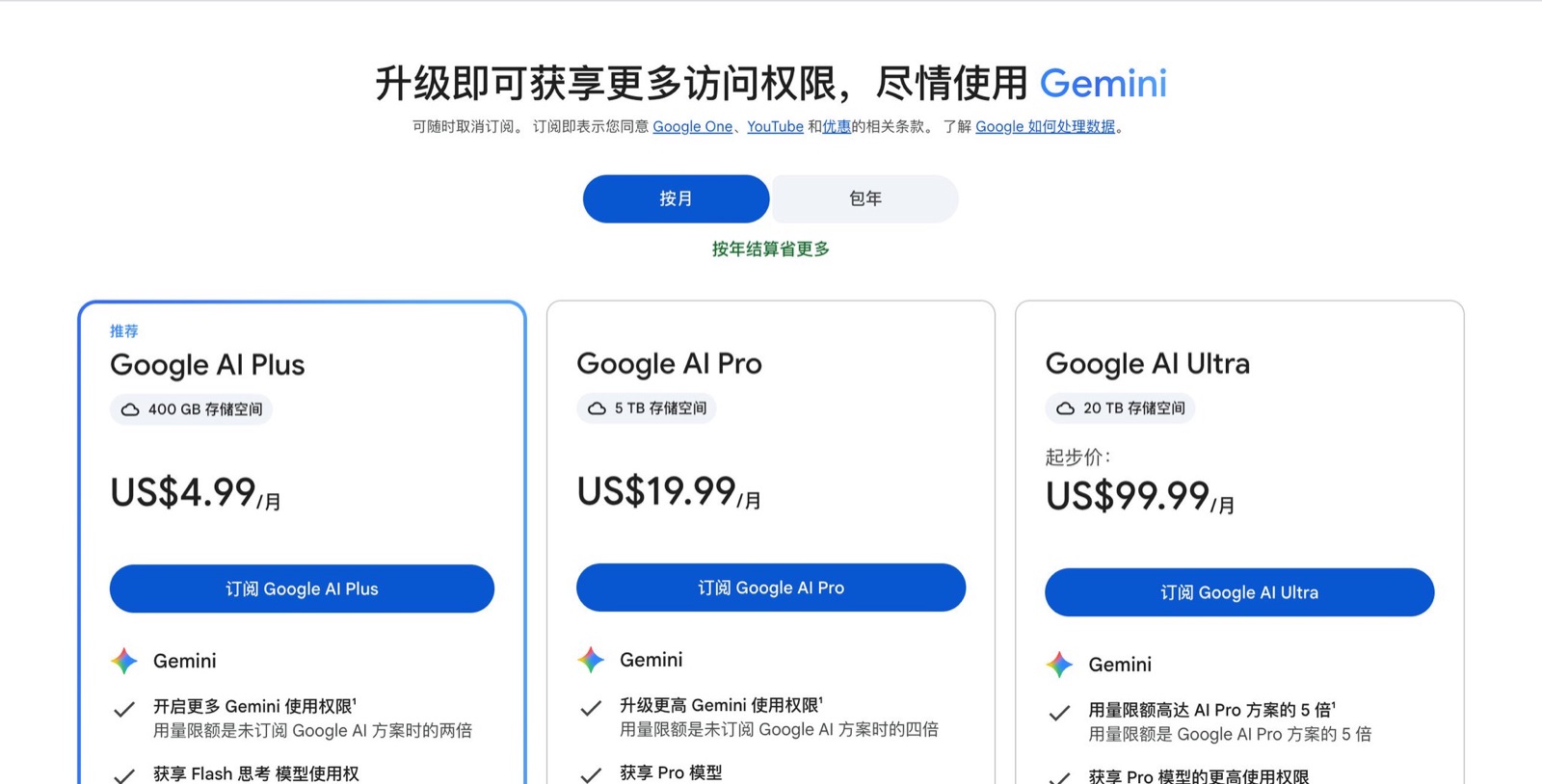
On Google’s site, Google AI Pro is $19.99 a month. Eighteen months at full price comes to nearly $400, about ¥2,800. On Xianyu, the secondhand marketplace, the same thing costs ¥5.
A 500× price gap. Any reasonable person’s first thought is that it’s fake. But people who bought it really did get it activated and it really works; there are plenty of hands-on posts online.
So the question needs reframing: what fills that 500× gap?
The answer is in India.
Where these memberships really come from:
On October 30, 2025, Google and India’s largest carrier, Reliance Jio, announced a partnership giving Jio users 18 months of Google AI Pro. The official Indian list price is ₹35,100, free during the promotion, which runs from October 30, 2025 to October 29, 2026.
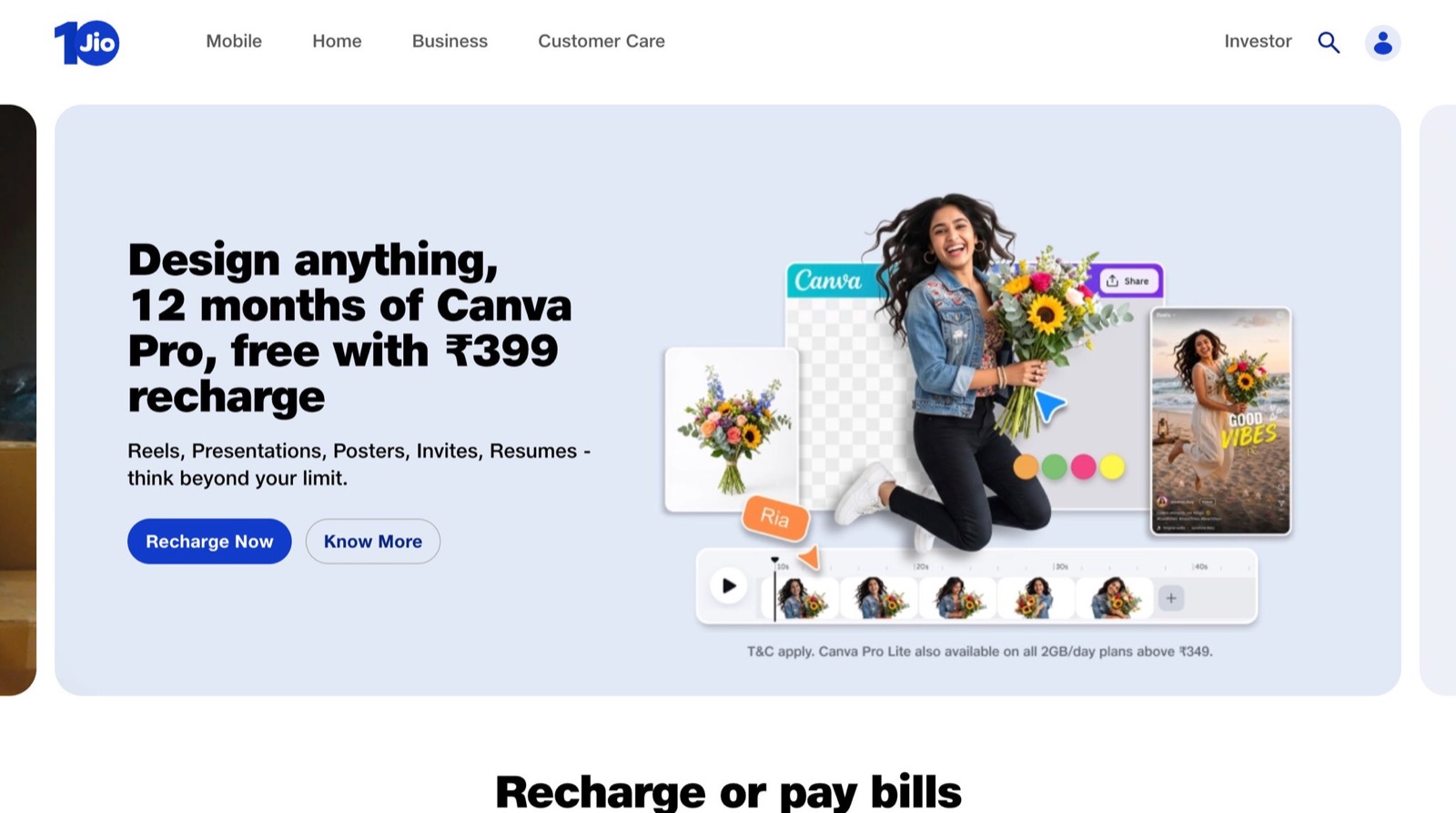
Google is buying a market. Jio has 500 million users in India, and trading an AI subscription for a user base that size, while it’s also pouring $15 billion into AI infrastructure in India, makes free memberships the cheapest move on the board.
There are four conditions to claim it:
A retail Jio SIM, and being 18 or older.
An active unlimited 5G plan at ₹349 or above; after February 2026 some users were allowed in at ₹299.
One claim per phone number.
The plan must stay active for the entire 18 months.
That last condition is the root of every problem that follows.
How do you get to ¥5?
₹349 is about ¥30. By that math, a seller has to front a month of phone credit for every activation code, ¥30 in cost, so selling at ¥5 loses money.
But that’s not how the books work.
The people really running this business are the ones who already hold thousands of real-name Indian SIM cards. Their main business is receiving verification texts for app and platform sign-ups. The cards have to stay active to take orders, so they top them up every month anyway; that money was already booked as a fixed cost of the core business.
The moment Google’s promotion went live, every one of those thousands of topped-up numbers suddenly came with an 18-month membership to claim.
For them, the extra cost is zero.
So ¥5 isn’t a price; it’s an arbitrary number on something they got for free. Selling at ¥5 or ¥50 makes no real difference except to how fast it moves. The price fell from ¥88 to ¥19, ¥6 and ¥5 because there’s simply no cost floor; as long as someone wants volume, it can keep going down.
Could you script it at scale?
That’s a lot of people’s first thought when they see a gap like this. You can write the script, but it won’t help, because the bottleneck isn’t code at all.
The hardest barrier is real-name registration. Indian phone numbers need Aadhaar verification, India’s national ID system. From China or Japan you can’t legally get a real-name Indian SIM, and code can’t solve that.
The second barrier is the server-side limit: one claim per number, no room for replays.
The third is payment: top-ups have to go through local Indian channels.
The only thing a script can touch is the last mile: claiming automatically and exporting links in bulk. And that’s exactly the least valuable link in the whole chain.
The moat in this business is that pile of real-name SIM cards: assets and regulatory barriers, with basically nothing to do with technology. What matters is whether you have people, cards and channels in India. Being able to write scripts gets you no edge in this chain.
And one step further, it becomes a different thing entirely. Holding other people’s real-name Indian SIM cards at scale is illegal in India itself and a top target in the crackdown on telecom fraud. That’s long past the realm of grabbing a freebie.
What risk is the buyer actually taking?
The good news first: this is completely different from top-ups paid with stolen cards.
Jio codes are official Google entitlements. Once you have the link, it attaches to your own Google account, you never hand over your password, and redemption goes through the normal flow. So it basically won’t put your account’s security at risk.
The problems are elsewhere.
The biggest risk is that the membership can vanish. The terms are right there: the plan must stay active for 18 months. A seller tops up for one month, claims the code, sells it to you, and walks away. Once that SIM’s plan lapses, your subscription goes with it. By the time you go back to the seller, the shop is gone, reopened under a new name selling the next batch.
The second is Google’s risk controls. Bulk cross-border redemptions this obvious can’t escape Google’s notice. When it tightens up, and whether it claws memberships back in bulk, is entirely up to Google.
The third is the seller. A normal Jio code needs nothing but a link. If a seller asks for your account password, get a refund and walk away.
Two other cheap routes
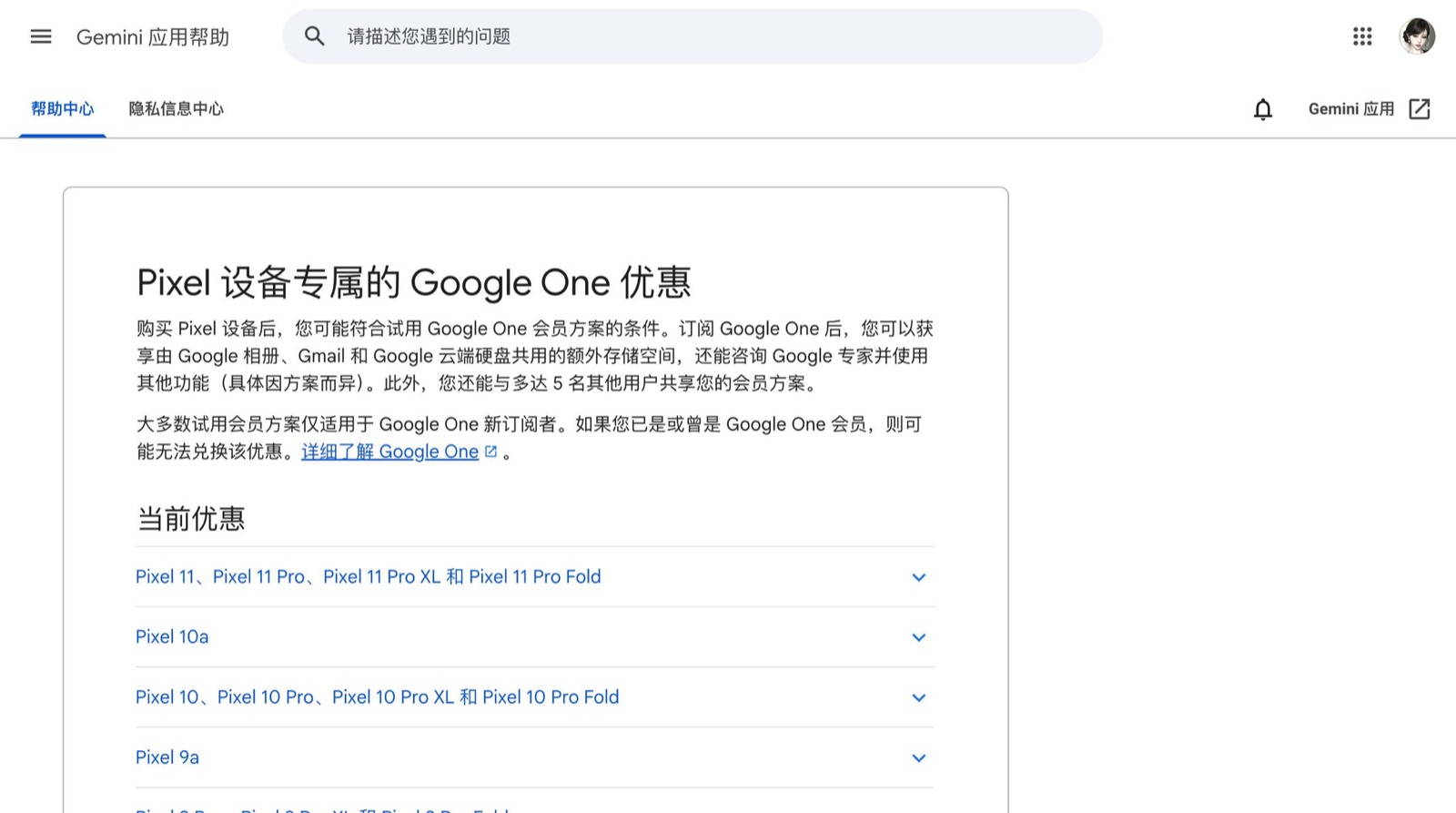
Pixel device verification: buy a Pixel 10 and get a year of Pro. This one’s steadier, since it’s tied to the device and doesn’t need you to keep paying for anything.
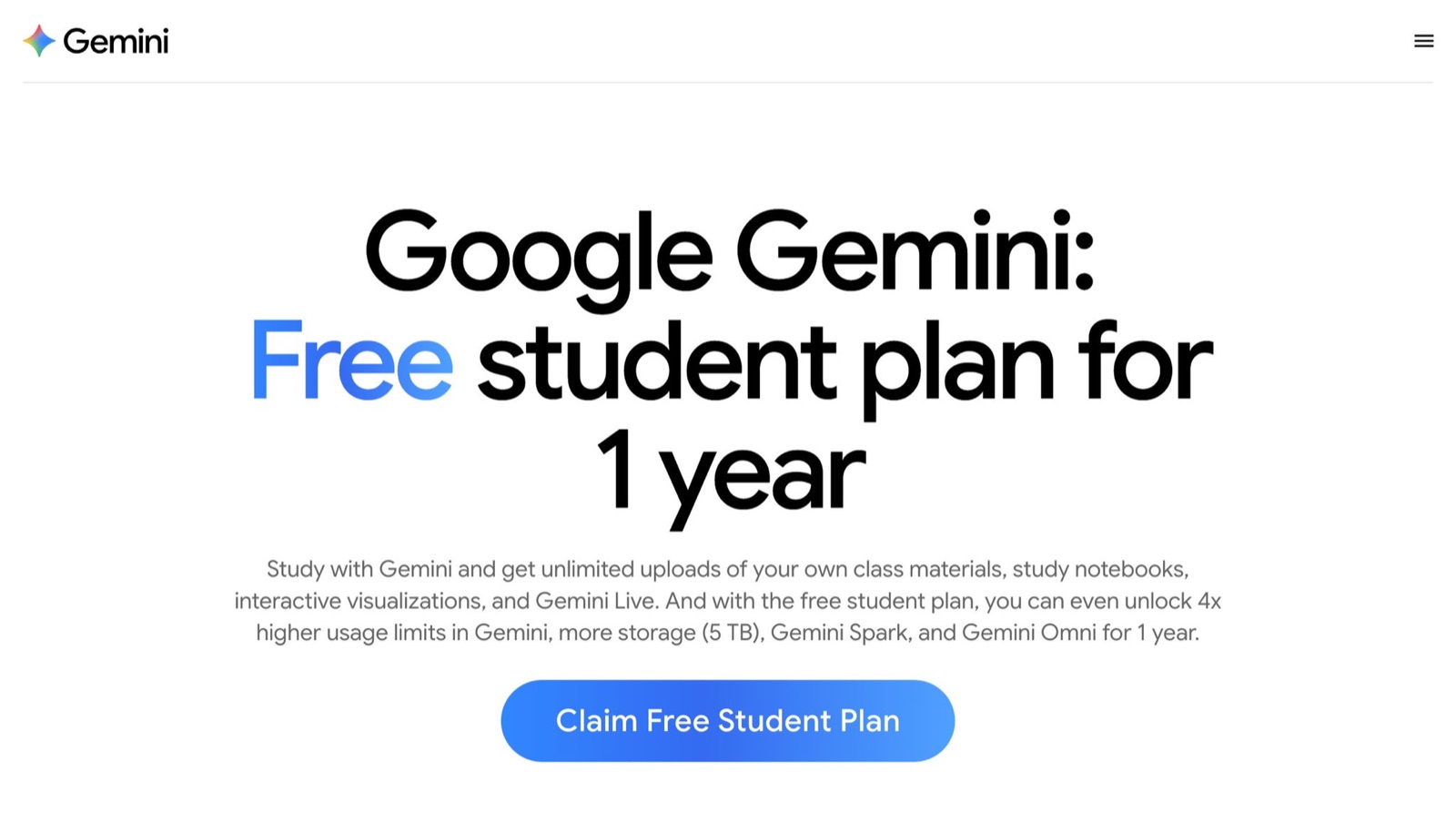
Student .edu email: Google gives students 15 months. But the cheap ones on Xianyu are mostly throwaway accounts registered with fake school emails and virtual cards. This route is the riskiest: the account itself was built on a fake identity, and if Google ever re-verifies, the whole account goes.
The three routes carry completely different kinds of risk: with Jio the entitlement might be pulled, Pixel is relatively the safest, and with student accounts the account itself is the problem.
So, buy or not?
On a throwaway account, ¥5 for 18 months pays for itself even if it only lasts three. At that price it’s not worth agonizing over.
But don’t treat it as a real subscription. Don’t attach it to your main Google account, don’t plan anything around 18 months, and definitely don’t store files you can’t lose on it, even if it gives you 5 TB.
What ¥5 buys you is essentially a trial pass that can end at any moment. Used as a trial pass, it’s money well spent; plan around it as an 18-month membership and you’ll most likely be disappointed.